
What will be the largest source of global primary energy consumption in 2030?
Climate And Weather
OilYes 1.49No 2.78
CoalYes 7.69No 1.10
Temperature thresholds, hurricane counts and energy questions, with captured Yes / No prices.
8 markets
Climate And Weather

Climate And Weather
Climate And Weather
Climate And Weather
Climate And Weather
Climate And Weather
Climate And Weather
Climate And Weather
Try another topic, company or outcome.
A forecast for a city and a recorded temperature at a named station are not necessarily the same thing. Before comparing a climate prediction market, pin down the place, unit, time window and official observation that decide the outcome.
The board includes a Texas minimum-temperature question, hurricane-count markets and a question about the largest source of global primary energy consumption. These cover very different timescales; a daily weather view does not answer a long-term energy question.
Read every condition in the weather question. A minimum temperature, a number of qualifying days and a multi-day window must be interpreted together.
Swipe to compare all columns
| Type of question | Detail that decides it | Easy mistake |
|---|---|---|
| Temperature threshold | Named station, unit and observation period | Using a city-wide forecast instead of the specified reading |
| Named storms | The basin, season and qualifying definition | Counting a storm from another ocean basin |
| Major hurricanes | The stated intensity classification | Treating every hurricane as a major hurricane |
| Energy consumption | The measure and future reporting year | Confusing primary energy with electricity generation |
Weather describes conditions over a particular period; a longer-term climate question needs its own measurement and baseline. A cold week does not by itself answer a question about a yearly average or a multi-year trend.
Start with the actual condition offered. The global energy example on this board concerns the largest source of primary energy consumption in 2030. That is a specific future ranking, not a general vote on whether climate change is happening.
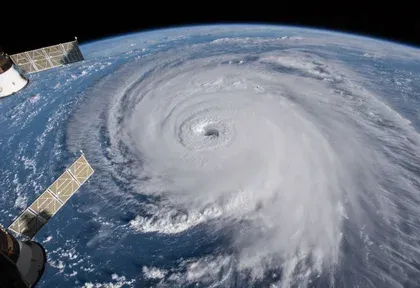
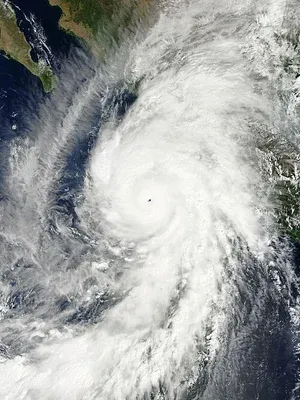
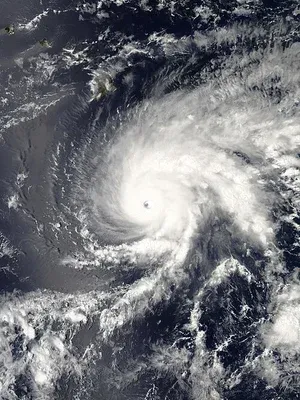
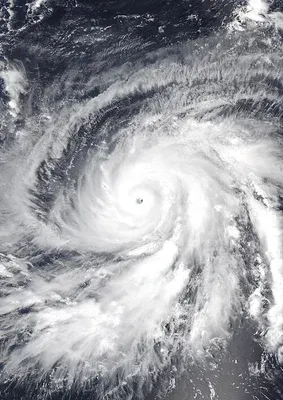
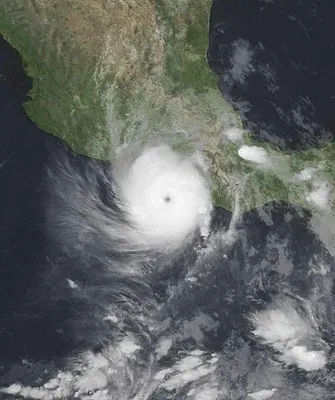
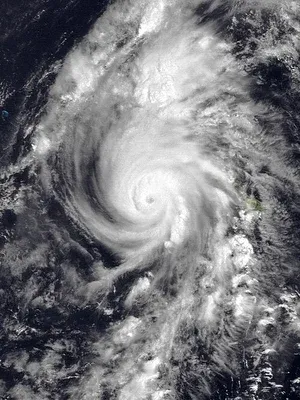
The Eastern Pacific and Central Pacific questions belong to different geographical scopes. The board also distinguishes named storms, hurricanes and major hurricanes. Read those words before comparing the Yes price.
Check how the operator treats storms crossing a basin boundary, revised classifications and the end of the season. Those are settlement details to confirm in the full listing; they cannot be inferred from a short market title.
Weather odds are most useful when the underlying definitions match. If two questions use different stations or different observation windows, a difference in price does not mean one is wrong.
Use the reader to inspect the saved outcomes, then check the current Zizobet listing and its named data source. For oil and other energy-price questions, the commodities board is a closer fit.
That depends on the terms, but a forecast and an observation are different records. Check the exact source and measured value required by the market.
No. Basin, season and storm classification can all differ. Match those details before comparing a count or price.
Only if it matches the source, location and observation specified by the market. A forecast, a nearby station and an official daily record can show different values.
Read the classification in the question. A named-storm total and a hurricane total are different measures, and the geographical basin also matters.
Check the market’s data source and revision cutoff. The terms determine whether an initial classification or a later published record is used.
Confirm the location and measurement rules before reviewing the available odds.